As we approach the close of 2025, the e-commerce and logistics landscape has been transformed by platform launches, regulatory milestones, fierce competition, and trade disruptions. Ireland, as an EU member with strong ties to global supply chains, has felt the ripple effects from local events to international shifts.
Here's our refined roundup of the top 10 key events and developments from 2025:
Irish Market
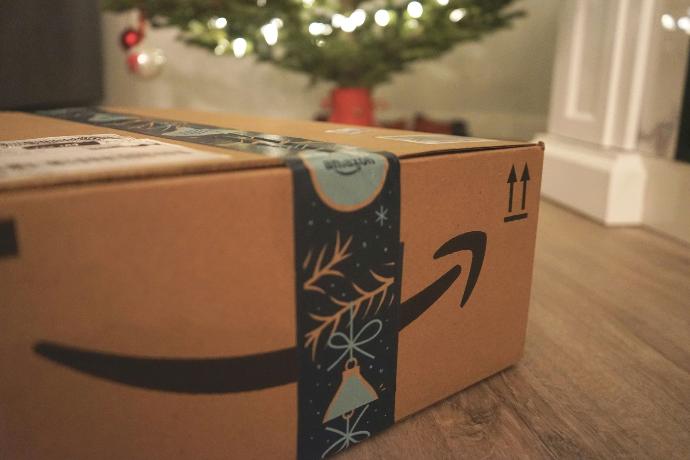
Amazon.ie Official Launch
Amazon's dedicated Irish marketplace went live in March 2025, bringing euro pricing, full Prime benefits, and faster delivery options. This has intensified competition and raised the bar for speed and service across the sector.

TikTok Shop Expansion and Upcoming Fee Increase
TikTok Shop officially rolled out in Ireland in late 2024/early 2025 as part of its European push, driving social commerce through shoppable videos and live streams—particularly strong in fashion and beauty for younger consumers. Investments in Irish data centres aided compliance and feature deployment. Notably, TikTok announced a commission increase from 5% to 9% (effective 8 January 2026) across Ireland and other key EU markets such as Germany, France, Italy, and Spain.
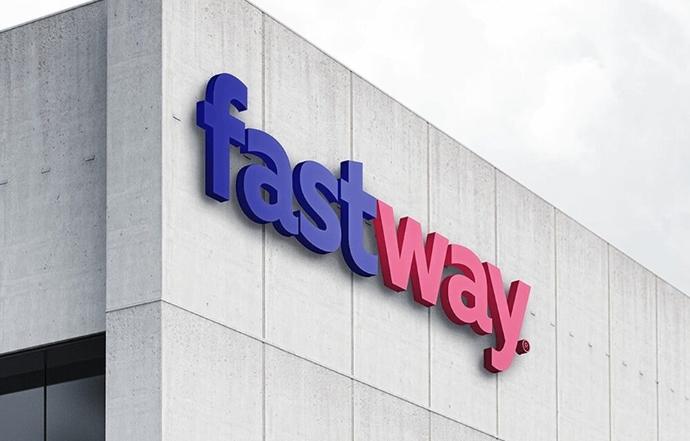
Fastway Couriers Enters Receivership
In October 2025, Fastway Couriers (including Parcel Connect) suddenly ceased trading and entered receivership, creating significant disruption in parcel delivery and forcing retailers to rapidly switch to alternative carriers.
EU Market
EU Agreement to Abolish €150 Customs Duty Exemption
A landmark EU-wide development: In November 2025, member states agreed to remove the €150 duty-free threshold for low-value imports, with a temporary €3 fixed duty per item starting July 2026 and full abolition by 2028. This major regulatory shift aims to level the playing field for EU retailers, reduce fraud, and impact cross-border e-commerce costs significantly for Irish consumers and businesses.
EU Carbon Border Adjustment Mechanism (CBAM) Full Implementation Countdown
With the definitive phase starting 1 January 2026, 2025 has been a year of preparation for the EU's "carbon tariff." Importers of high-carbon products (initially steel, aluminium, cement, fertilisers, electricity, and hydrogen) will soon purchase CBAM certificates based on embedded emissions, increasing costs for non-EU suppliers and encouraging greener global supply chains.
Chinese Market

Intense Price War in Instant Retail and One-Hour Delivery
Giants like JD.com, Alibaba (via Ele.me and Taobao), and Meituan poured billions into subsidies for ultra-fast (30-60 minute) deliveries, expanding into food, groceries, and broader categories. This escalated competition, boosted consumer adoption, but pressured margins—highlighting a shift toward "quick commerce" as the next growth frontier.

Record-Breaking Double 11 (Singles' Day)
China's flagship shopping festival delivered strong results once again, with express parcel volumes surpassing 150 billion for the year by mid-October and platforms leveraging heavy discounts and AI personalisation to drive sustained consumer spending.
Global Push by Temu and Shein
Temu and fast-fashion giant Shein accelerated overseas expansion with aggressive low-price strategies and direct shipping, reinforcing China's leadership in cross-border e-commerce while offsetting slower domestic growth
Global Market
US Tariff Overhauls and De Minimis Reforms amid Trade Uncertainty
The Trump administration's 2025 policies introduced universal reciprocal tariffs (starting at 10%), country-specific increases, and the elimination of the $800 de minimis duty-free exemption—particularly for Chinese-origin goods effective May 2025. These changes disrupted cross-border e-commerce, raised costs for low-value imports, prompted supply chain rerouting (e.g., to Southeast Asia), and created ongoing uncertainty, affecting platforms, retailers, and logistics providers worldwide.
Surge in Social, AI-Driven, and Automated Commerce
Social platforms integrated shopping features more deeply, while AI tools personalised experiences and optimised logistics. DHL's 2025 trends report underscored how generative AI and social commerce drove conversions, with businesses increasingly relying on these for personalisation, predictive stocking, and customer engagement.
Looking to 2026, EU regulatory changes—CBAM and customs reforms—combined with ongoing global trade uncertainties, will demand proactive adaptation: diversified sourcing, sustainable practices, and resilient carrier networks.
Which of these developments has most affected your business this year? We love to hear your thoughts in the comments!